


Decoding SIP Trends in Mid-2026: Are investors consolidating or expanding their SIPs?
Written by Akshay Kumar Rao
31 Oct 2025 • 11 minutes read
Reviewing AMFI’s monthly SIP data in 2026 (and previous years) can help us understand the main SIP trends in India. As per AMFI’s data, SIP participation remained strong in the first seven months of 2026. SIP monthly inflows increased from ₹31,002 crore in January 2026 to ₹31,961 crore in July 2026, while SIP AUM reached ₹18.20 lakh crore by 31st July. The number of contributing SIP accounts also rose to 9.90 crore by July, showing continued investor participation in the SIP route.
Systematic Investment Plans (SIPs) are periodic contributions investors make into mutual fund schemes. According to AMFI India, in July 2026, mutual fund SIP collections touched a record high of ₹31,961 crore (Source: AMFI). This marked a 3.25% rise compared to June. Such an impressive collection shows that investors continued to invest regularly despite market fluctuations.
Besides, the number of active SIP accounts also reached 9.90 crore in July 2026 (Source: AMFI Monthly Note - July 2026). These impressive figures show how SIPs have become the preferred way for Indians to invest in mutual funds.
Feeling encouraged to invest? Read this article to first understand these latest trends. Then, check out some mutual fund schemes offered by Tata Mutual Fund™ you may consider in 2026.
Table of Content

In 2026, The SIP AUM Is Increasing!
Based on AMFI data, Systematic Investment Plan (SIP) Assets Under Management (AUM) have shown a consistent increase between January and July 2026. This growth is supported by:
- Consistent inflows
- Higher participation
- Market gains
This trend clearly signals strong investor confidence + the growing importance of systematic investment plans as a long-term potential wealth-building tool. Let’s understand what the trends say:
The SIP AUM Grew By 11.25%
At the start of 2026, SIP AUM was estimated at ₹16.36 lakh crore. By July 2026, it stood at ₹18.20 lakh crore. This marks a growth of roughly ₹1.84 lakh crore over seven months. (Source: AMFI)
This consistent increase in SIP trends in India shows that investors have continued to stay invested through SIPs despite market volatility.
There Are Regular Monthly Inflows
AMFI’s monthly SIP data shows that systematic plan monthly contributions rose from around ₹31,002 crore in January 2026 to ₹31,961 crore in July 2026 (Source: AMFI Monthly Notes - January and July 2026). This shows that investors are adding fresh capital to their existing SIP portfolios. Moreover, there is steady investor participation, with the number of active SIP accounts having climbed to 9.90 crore as stated above.
What Can You Interpret?
The increase in SIP AUM indicates “maturing investor behaviour”. Rather than redeeming, investors are staying invested and continuing their periodic contributions. Thus, recurring investments from retail investors are primarily driving the industry growth.
What Does the Monthly SIP Contribution Trend Say?
AMFI publishes month-wise SIP contributions in its “monthly notes”. If we analyse the data from January to July 2026, there is a gradual monthly growth in SIP contributions. Check out the latest monthly numbers as reported by AMFI:
Month | Monthly SIP Contributions |
January 2026 | ₹31,002 crore |
February 2026 | ₹29,845 crore |
March 2026 | ₹32,087 crore |
April 2026 | ₹31,115 crore |
May 2026 | ₹30,954 crore |
June 2026 | ₹31,781 crore |
July 2026 | ₹31,961 crore |
Source: AMFI Monthly Notes - July 2026
What Do These Numbers Tell?
There is an overall positive and upward SIP trend in India as per contributions data so far in 2026. SIP contributions have risen from ₹31,002 crore in January 2026 to a record ₹31,961 crore in July 2026. That’s an increase of nearly ₹959 crore, or about 3.09% growth in seven months.
This SIP trend in India shows growing investor confidence and a maturing investment culture. Retail investors are choosing to continue their SIPs even during volatile phases, which means they trust the long-term potential of mutual funds.
What’s Causing this SIP Rush?
- More investors are entering through new SIP registrations.
- Existing investors are increasing their SIP amounts or starting additional SIPs.
- There is rising awareness about disciplined investing and rupee cost averaging.
- Market stability and better performance could be the reasons for investors to make a long-term commitment.
So, Want to Invest via the SIP Route? Tata Mutual Fund™ Schemes You May Consider in 2025!
Based on the AMFI data for 2026, you may assume that investors are expanding their SIPs. If you, as a disciplined investor, are also looking to invest, Tata Mutual Fund™ offers multiple scheme category options, such as:
- ETFs
- Fund of Funds
- Equity schemes
- Debt funds
- Index funds
- Hybrid funds, and more
All these options allow you to invest via SIPs. Now, let’s check out some mutual fund schemes you may consider investing in 2026:
All the below shall be as per the latest SIDs
Mutual Fund Scheme | Product Label | Benchmark | Scheme Riskometer | Benchmark Riskometer | Exit Load |
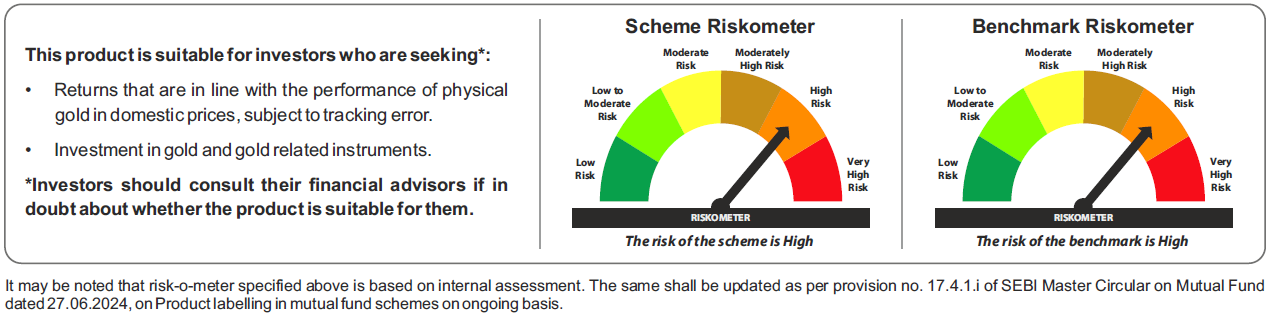
An open-ended exchange-traded fund replicating/tracking the domestic price of gold | Domestic Price of Gold | High Risk | High Risk | NIL | |
An open-ended fund of fund scheme investing in the Tata Silver exchange-traded fund | Domestic Price of Silver | Very High Risk | Very High Risk | Redemption/ Switch-out /SWP/ STP on or before expiry of 7 days from the date of allotment: 0.5% | |
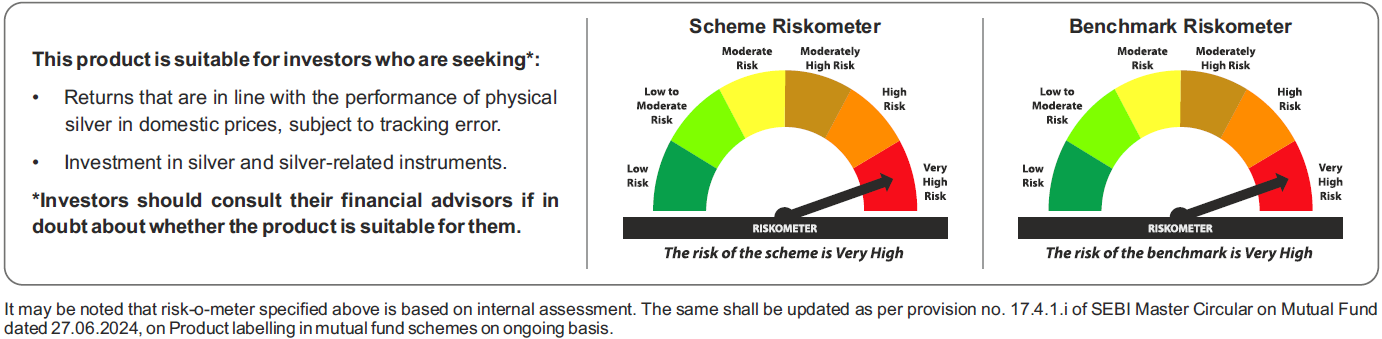
An open-ended exchange-traded fund replicating /tracking the domestic price of silver | Domestic Price of Silver | Very High Risk | Very High Risk | NIL | |
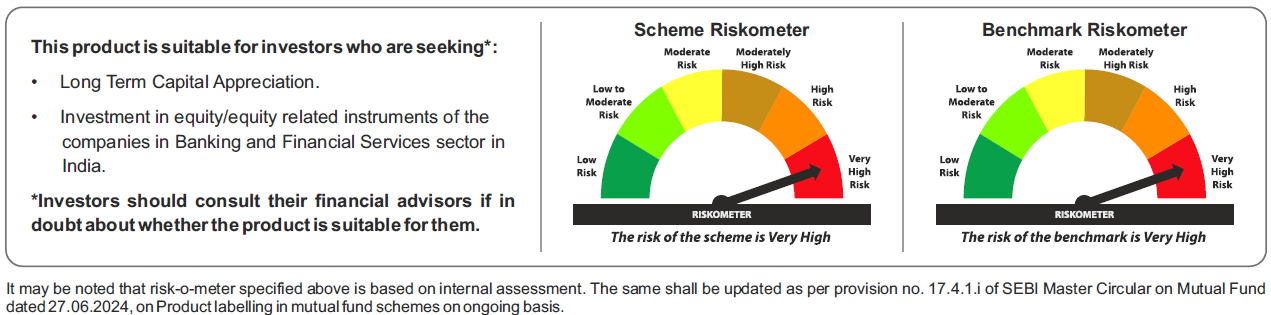
An open-ended equity scheme investing in the banking and financial services sector | Nifty Financial Services TRI | Very High Risk | Very High Risk | 0.25% of the NAV, if redeemed/switched out before 30 days from the date of allotment | |
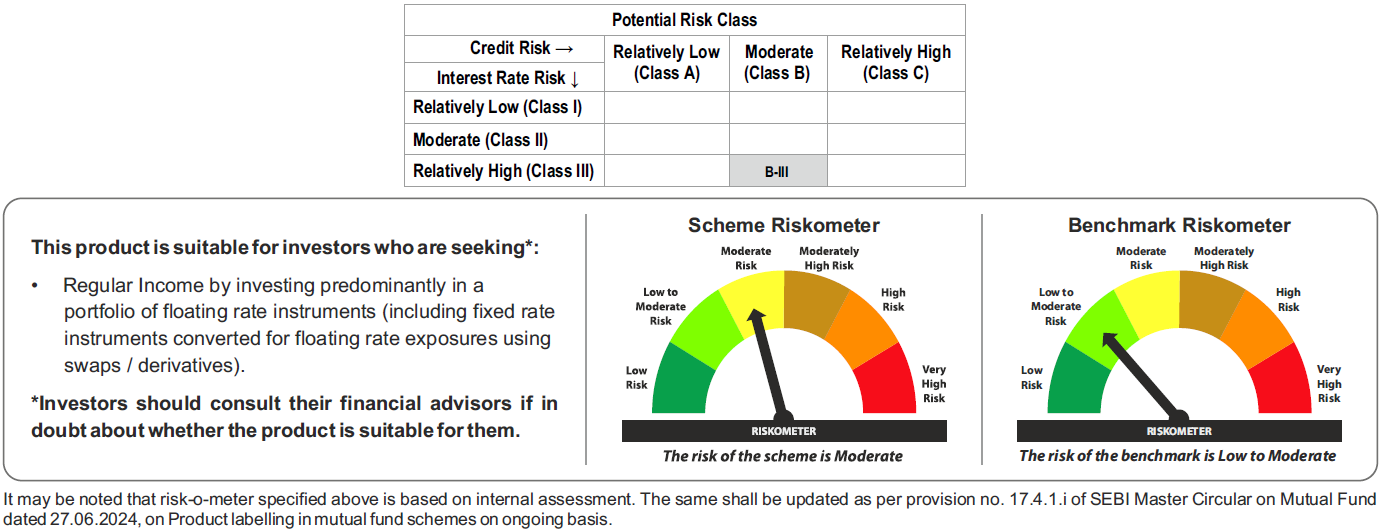
An open-ended debt scheme investing predominantly in floating rate instruments (including fixed rate instruments converted to floating rate exposures using swaps/derivatives), a relatively high interest rate risk, and moderate credit risk | CRISIL Short Duration Debt A-II Index | Low to Moderate Risk | Low to Moderate Risk | NIL | |
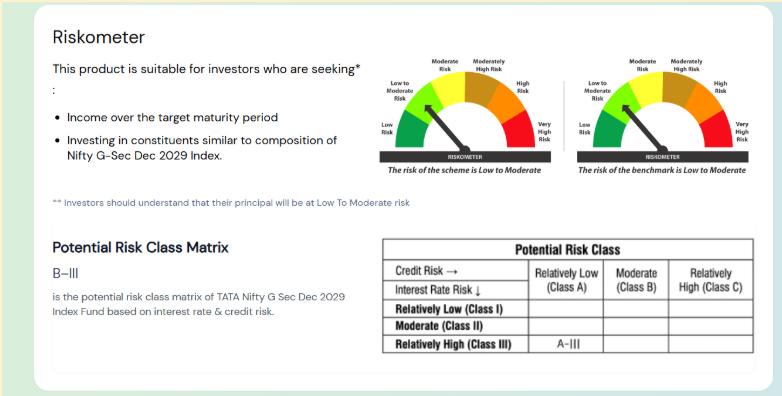
An open-ended target maturity index fund investing in constituents of the Nifty G-Sec Dec 2029 index. A scheme with relatively high interest rate risk and relatively low credit risk | Nifty G-Sec Dec 2029 Index (TRI) | Low to Moderate Risk | Low to Moderate Risk | NIL | |
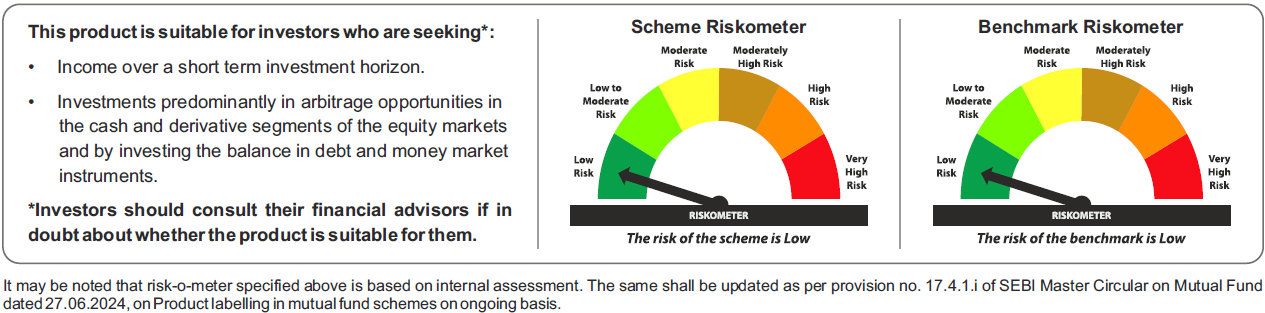
An open-ended scheme investing in arbitrage opportunities | Nifty 50 Arbitrage Index | Low Risk | Low Risk | 0.25 % of the applicable NAV, if redeemed/ switched out/withdrawn on or before expiry of 30 days from the date of allotment. |
Risk Level of All the Above Mutual Fund Schemes
1. Tata Gold ETF
2. Tata Silver ETF Fund of Funds
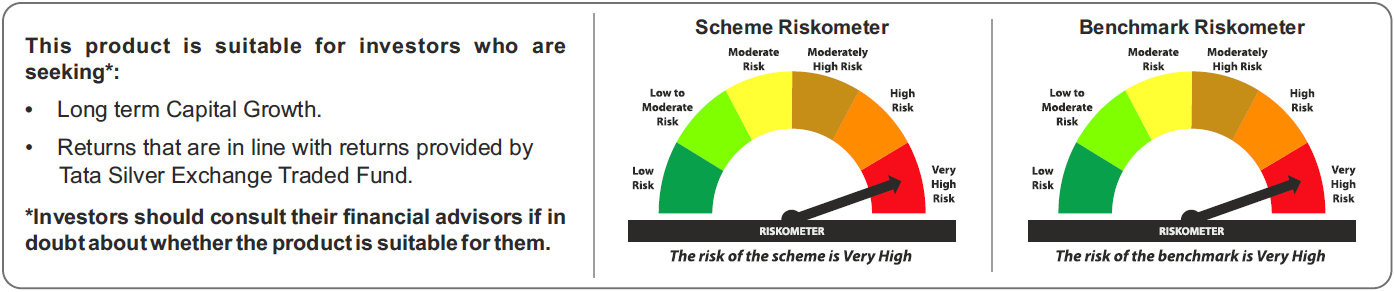
Disclaimer: Invevestors are bearing the recurring expenses of the scheme, in addition to the expenses of other schemes in which the Funds of Funds Scheme makes investments.
3. Tata Silver Exchange Traded Fund
4. Tata Banking and Financial Services Fund
5. Tata Floating Rate Fund
6. Tata Nifty G Sec Dec 2029 Index Fund
7. Tata Arbitrage Fund
Pick The Right Schemes Using the Digital Calculators and Tools!
As a mutual fund investor, you can even use tools like a monthly SIP investment calculator or a mutual fund SIP planner. They allow you to understand how your investments may grow over time. All you have to do is enter some basic details such as:
Your SIP amount
SIP Expected Return
Investment period
Next, the SIP return calculator instantly estimates your probable future returns. For example,
Let’s say you had invested ₹1,000 per month for 5 years.
Now, this calculator would have shown you the potential maturity value and total notional gain.
Additionally, you can even compare options through a lump sum calculator. This allows you to understand how SIPs perform versus one-time investments.
Conclusion
So, are investors consolidating or expanding their SIPs? If we were to answer based on the AMFI monthly SIP data for 2026, investors appear to be expanding their SIP participation. The SIP trends in India show growth in both collections and participation.
FAQs
How to start SIP in India step by step 2026?
Starting SIPs in India is simple:
- Choose a mutual fund distributor, AMC, or investment platform.
- Complete your KYC.
- Choose a scheme based on your goals, risk appetite, and time horizon.
- Select the ‘SIP’ investment option and enter the amount and frequency details.
- Choose the SIP debit date and when you want the SIP to end.
- Confirm with the OTP sent to your registered number.
Disclaimer:
The views mentioned above are for information & educational purposes only and do not construe to be any investment, legal, or taxation advice. Investors must do their own research before investing. The views expressed in this article are personal in nature and in is no way trying to predict the markets or to time them. Any action taken by you on the basis of the information contained herein is your responsibility alone, and Tata Asset Management Pvt. Ltd. will not be liable in any manner for the consequences of such action taken by you. Please consult your Mutual Fund Distributor before investing. The views expressed in this article may not reflect in the scheme portfolios of Tata Mutual Fund. There are no guaranteed or assured returns under any of the schemes of Tata Mutual Fund.
*Mutual Fund Investments are subject to market risks, please read all scheme related documents carefully.
Author Bio

Akshay Kumar Rao

Mutual Funds And The Festive Season: Making Smart Investment Choices During Holiday Spending
Written by Ashish Suryakant Pawar
31 Oct 2025 • 9 minutes read

Get closer to your financial goals
Start InvestingLoading Form...
Loading Similar Blogs...